
The Quick Guide to Education Indicators for SDG 4 describes the process of developing and producing the global monitoring indicators of Sustainable Development Goal 4 while explaining how they can be interpreted and used. It provides basic explanations of the Goal's targets, its indicators, how they are created and where to find the information needed. This is a hands-on, step-by-step guide for anyone who is working on gathering or analyzing education data.
E-Library
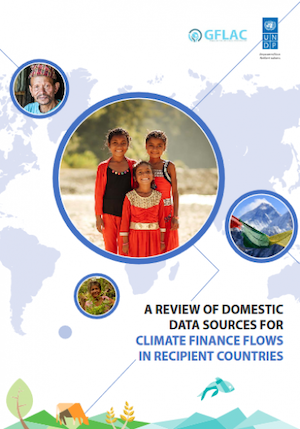
Improved national financial monitoring systems will increase accountability on climate change spending and foster transparency for global efforts to reach the goals outlined through the Paris Agreement and 2030 Agenda for Sustainable Development, according to a joint study by the United Nations Development Programme (UNDP) and the Latin American and Caribbean Climate Finance Group (GFLAC).
Parliament plays an influential role in ensuring the effective implementation of global commitments through their work on legislation and budgets. For civil society, it can provide a valuable ally for supporting the realisation of the 2030 Agenda but how and when can civil society best engage? What strategies and tools have proven successful and what are the challenges?
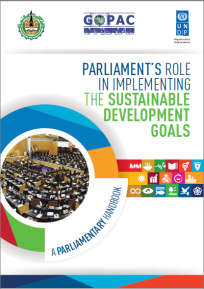
Parliamentarians have an opportunity, and a constitutional responsibility, to play a significant role in supporting and monitoring implementation of the Sustainable Development Goals (SDGs).
THE GLOBAL GOALS YEARBOOK is a publication in support of the Sustainable Development Goals (SDGs) and the advancement of corporate sustainability globally. As a grassroots publication published under the auspices of the macondo foundation, a non-profit organization, it offers proactive and in-depth information on key sustainability issues and promotes unique and comprehensive knowledge-exchange and learning in the spirit of the SDGs and the Ten Principles of the Global Compact.
Innovation Facility | 2017-2018 Year in Review
In 2014, UNDP, with the generous support of the Government of Denmark, established the Innovation Facility to improve service delivery and support national governments and citizens to tackle complex challenges. Over the past years, the Innovation Facility has invested in more than 170 country-level experiments.
Aspects of inequality in the South Korean society can be viewed from many perspectives. Labor market inequalities and elderly poverty are only some of the issues. Primarily, youth and women’s unemployment derived from occupational inequality has constantly caused a wave of problems in our society.
This report will explain the four issues on how the current inequality emerged in South Korea; At first, it will define economical background and labor market structure.
The 2030 Agenda for Sustainable Development puts forward a broad and ambitious agenda for global action on sustainable development. The scale and ambition of the Sustainable Development Goals require innovation in development and innovation for development.
To achieve the Goals by 2030, new modalities for development are required, including bringing innovation into the foreground of development projects.
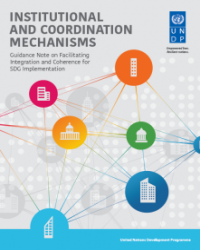
The Institutional and Coordination Mechanisms guidance note aims to provide information on how countries have adapted their existing institutional and coordination frameworks or established new ones in order to implement the SDGs. It highlights efforts to mobilize institutions around the SDGs, improve their functioning, and promote horizontal and vertical coherence.
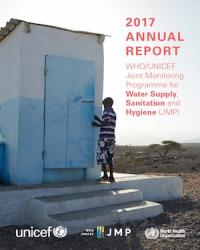
The joint WHO/UNICEF Joint Monitoring Programme is affiliated to UN-Water and was established in 1990. It builds on earlier monitoring activities carried out by WHO since the 1960s. The JMP’s objectives are to provide regular global reports on drinking-water and sanitation coverage to facilitate sector planning and management, to support countries in their efforts to improve their monitoring systems, and to provide information for advocacy.
Improved national financial monitoring systems will increase accountability on climate change spending and foster transparency for global efforts to reach the goals outlined through the Paris Agreement and 2030 Agenda for Sustainable Development, according to a joint study by the United Nations Development Programme (UNDP) and the Latin American and Caribbean Climate Finance Group (GFLAC).
Parliament plays an influential role in ensuring the effective implementation of global commitments through their work on legislation and budgets. For civil society, it can provide a valuable ally for supporting the realisation of the 2030 Agenda but how and when can civil society best engage? What strategies and tools have proven successful and what are the challenges?
Parliamentarians have an opportunity, and a constitutional responsibility, to play a significant role in supporting and monitoring implementation of the Sustainable Development Goals (SDGs).
THE GLOBAL GOALS YEARBOOK is a publication in support of the Sustainable Development Goals (SDGs) and the advancement of corporate sustainability globally. As a grassroots publication published under the auspices of the macondo foundation, a non-profit organization, it offers proactive and in-depth information on key sustainability issues and promotes unique and comprehensive knowledge-exchange and learning in the spirit of the SDGs and the Ten Principles of the Global Compact.
Innovation Facility | 2017-2018 Year in Review
In 2014, UNDP, with the generous support of the Government of Denmark, established the Innovation Facility to improve service delivery and support national governments and citizens to tackle complex challenges. Over the past years, the Innovation Facility has invested in more than 170 country-level experiments.
Aspects of inequality in the South Korean society can be viewed from many perspectives. Labor market inequalities and elderly poverty are only some of the issues. Primarily, youth and women’s unemployment derived from occupational inequality has constantly caused a wave of problems in our society.
This report will explain the four issues on how the current inequality emerged in South Korea; At first, it will define economical background and labor market structure.
The 2030 Agenda for Sustainable Development puts forward a broad and ambitious agenda for global action on sustainable development. The scale and ambition of the Sustainable Development Goals require innovation in development and innovation for development.
To achieve the Goals by 2030, new modalities for development are required, including bringing innovation into the foreground of development projects.
The Institutional and Coordination Mechanisms guidance note aims to provide information on how countries have adapted their existing institutional and coordination frameworks or established new ones in order to implement the SDGs. It highlights efforts to mobilize institutions around the SDGs, improve their functioning, and promote horizontal and vertical coherence.
The joint WHO/UNICEF Joint Monitoring Programme is affiliated to UN-Water and was established in 1990. It builds on earlier monitoring activities carried out by WHO since the 1960s. The JMP’s objectives are to provide regular global reports on drinking-water and sanitation coverage to facilitate sector planning and management, to support countries in their efforts to improve their monitoring systems, and to provide information for advocacy.
Improved national financial monitoring systems will increase accountability on climate change spending and foster transparency for global efforts to reach the goals outlined through the Paris Agreement and 2030 Agenda for Sustainable Development, according to a joint study by the United Nations Development Programme (UNDP) and the Latin American and Caribbean Climate Finance Group (GFLAC).
Parliament plays an influential role in ensuring the effective implementation of global commitments through their work on legislation and budgets. For civil society, it can provide a valuable ally for supporting the realisation of the 2030 Agenda but how and when can civil society best engage? What strategies and tools have proven successful and what are the challenges?
Parliamentarians have an opportunity, and a constitutional responsibility, to play a significant role in supporting and monitoring implementation of the Sustainable Development Goals (SDGs).
THE GLOBAL GOALS YEARBOOK is a publication in support of the Sustainable Development Goals (SDGs) and the advancement of corporate sustainability globally. As a grassroots publication published under the auspices of the macondo foundation, a non-profit organization, it offers proactive and in-depth information on key sustainability issues and promotes unique and comprehensive knowledge-exchange and learning in the spirit of the SDGs and the Ten Principles of the Global Compact.
Innovation Facility | 2017-2018 Year in Review
In 2014, UNDP, with the generous support of the Government of Denmark, established the Innovation Facility to improve service delivery and support national governments and citizens to tackle complex challenges. Over the past years, the Innovation Facility has invested in more than 170 country-level experiments.
Aspects of inequality in the South Korean society can be viewed from many perspectives. Labor market inequalities and elderly poverty are only some of the issues. Primarily, youth and women’s unemployment derived from occupational inequality has constantly caused a wave of problems in our society.
This report will explain the four issues on how the current inequality emerged in South Korea; At first, it will define economical background and labor market structure.
The 2030 Agenda for Sustainable Development puts forward a broad and ambitious agenda for global action on sustainable development. The scale and ambition of the Sustainable Development Goals require innovation in development and innovation for development.
To achieve the Goals by 2030, new modalities for development are required, including bringing innovation into the foreground of development projects.
The Institutional and Coordination Mechanisms guidance note aims to provide information on how countries have adapted their existing institutional and coordination frameworks or established new ones in order to implement the SDGs. It highlights efforts to mobilize institutions around the SDGs, improve their functioning, and promote horizontal and vertical coherence.
The joint WHO/UNICEF Joint Monitoring Programme is affiliated to UN-Water and was established in 1990. It builds on earlier monitoring activities carried out by WHO since the 1960s. The JMP’s objectives are to provide regular global reports on drinking-water and sanitation coverage to facilitate sector planning and management, to support countries in their efforts to improve their monitoring systems, and to provide information for advocacy.

Parliament plays an influential role in ensuring the effective implementation of global commitments through their work on legislation and budgets. For civil society, it can provide a valuable ally for supporting the realisation of the 2030 Agenda but how and when can civil society best engage? What strategies and tools have proven successful and what are the challenges?
Parliamentarians have an opportunity, and a constitutional responsibility, to play a significant role in supporting and monitoring implementation of the Sustainable Development Goals (SDGs).
THE GLOBAL GOALS YEARBOOK is a publication in support of the Sustainable Development Goals (SDGs) and the advancement of corporate sustainability globally. As a grassroots publication published under the auspices of the macondo foundation, a non-profit organization, it offers proactive and in-depth information on key sustainability issues and promotes unique and comprehensive knowledge-exchange and learning in the spirit of the SDGs and the Ten Principles of the Global Compact.
Innovation Facility | 2017-2018 Year in Review
In 2014, UNDP, with the generous support of the Government of Denmark, established the Innovation Facility to improve service delivery and support national governments and citizens to tackle complex challenges. Over the past years, the Innovation Facility has invested in more than 170 country-level experiments.
Aspects of inequality in the South Korean society can be viewed from many perspectives. Labor market inequalities and elderly poverty are only some of the issues. Primarily, youth and women’s unemployment derived from occupational inequality has constantly caused a wave of problems in our society.
This report will explain the four issues on how the current inequality emerged in South Korea; At first, it will define economical background and labor market structure.
The 2030 Agenda for Sustainable Development puts forward a broad and ambitious agenda for global action on sustainable development. The scale and ambition of the Sustainable Development Goals require innovation in development and innovation for development.
To achieve the Goals by 2030, new modalities for development are required, including bringing innovation into the foreground of development projects.
The Institutional and Coordination Mechanisms guidance note aims to provide information on how countries have adapted their existing institutional and coordination frameworks or established new ones in order to implement the SDGs. It highlights efforts to mobilize institutions around the SDGs, improve their functioning, and promote horizontal and vertical coherence.
The joint WHO/UNICEF Joint Monitoring Programme is affiliated to UN-Water and was established in 1990. It builds on earlier monitoring activities carried out by WHO since the 1960s. The JMP’s objectives are to provide regular global reports on drinking-water and sanitation coverage to facilitate sector planning and management, to support countries in their efforts to improve their monitoring systems, and to provide information for advocacy.
Parliamentarians have an opportunity, and a constitutional responsibility, to play a significant role in supporting and monitoring implementation of the Sustainable Development Goals (SDGs).
THE GLOBAL GOALS YEARBOOK is a publication in support of the Sustainable Development Goals (SDGs) and the advancement of corporate sustainability globally. As a grassroots publication published under the auspices of the macondo foundation, a non-profit organization, it offers proactive and in-depth information on key sustainability issues and promotes unique and comprehensive knowledge-exchange and learning in the spirit of the SDGs and the Ten Principles of the Global Compact.
Innovation Facility | 2017-2018 Year in Review
In 2014, UNDP, with the generous support of the Government of Denmark, established the Innovation Facility to improve service delivery and support national governments and citizens to tackle complex challenges. Over the past years, the Innovation Facility has invested in more than 170 country-level experiments.
Aspects of inequality in the South Korean society can be viewed from many perspectives. Labor market inequalities and elderly poverty are only some of the issues. Primarily, youth and women’s unemployment derived from occupational inequality has constantly caused a wave of problems in our society.
This report will explain the four issues on how the current inequality emerged in South Korea; At first, it will define economical background and labor market structure.
The 2030 Agenda for Sustainable Development puts forward a broad and ambitious agenda for global action on sustainable development. The scale and ambition of the Sustainable Development Goals require innovation in development and innovation for development.
To achieve the Goals by 2030, new modalities for development are required, including bringing innovation into the foreground of development projects.
The Institutional and Coordination Mechanisms guidance note aims to provide information on how countries have adapted their existing institutional and coordination frameworks or established new ones in order to implement the SDGs. It highlights efforts to mobilize institutions around the SDGs, improve their functioning, and promote horizontal and vertical coherence.
The joint WHO/UNICEF Joint Monitoring Programme is affiliated to UN-Water and was established in 1990. It builds on earlier monitoring activities carried out by WHO since the 1960s. The JMP’s objectives are to provide regular global reports on drinking-water and sanitation coverage to facilitate sector planning and management, to support countries in their efforts to improve their monitoring systems, and to provide information for advocacy.

THE GLOBAL GOALS YEARBOOK is a publication in support of the Sustainable Development Goals (SDGs) and the advancement of corporate sustainability globally. As a grassroots publication published under the auspices of the macondo foundation, a non-profit organization, it offers proactive and in-depth information on key sustainability issues and promotes unique and comprehensive knowledge-exchange and learning in the spirit of the SDGs and the Ten Principles of the Global Compact.
Innovation Facility | 2017-2018 Year in Review
In 2014, UNDP, with the generous support of the Government of Denmark, established the Innovation Facility to improve service delivery and support national governments and citizens to tackle complex challenges. Over the past years, the Innovation Facility has invested in more than 170 country-level experiments.
Aspects of inequality in the South Korean society can be viewed from many perspectives. Labor market inequalities and elderly poverty are only some of the issues. Primarily, youth and women’s unemployment derived from occupational inequality has constantly caused a wave of problems in our society.
This report will explain the four issues on how the current inequality emerged in South Korea; At first, it will define economical background and labor market structure.
The 2030 Agenda for Sustainable Development puts forward a broad and ambitious agenda for global action on sustainable development. The scale and ambition of the Sustainable Development Goals require innovation in development and innovation for development.
To achieve the Goals by 2030, new modalities for development are required, including bringing innovation into the foreground of development projects.
The Institutional and Coordination Mechanisms guidance note aims to provide information on how countries have adapted their existing institutional and coordination frameworks or established new ones in order to implement the SDGs. It highlights efforts to mobilize institutions around the SDGs, improve their functioning, and promote horizontal and vertical coherence.
The joint WHO/UNICEF Joint Monitoring Programme is affiliated to UN-Water and was established in 1990. It builds on earlier monitoring activities carried out by WHO since the 1960s. The JMP’s objectives are to provide regular global reports on drinking-water and sanitation coverage to facilitate sector planning and management, to support countries in their efforts to improve their monitoring systems, and to provide information for advocacy.

Innovation Facility | 2017-2018 Year in Review
In 2014, UNDP, with the generous support of the Government of Denmark, established the Innovation Facility to improve service delivery and support national governments and citizens to tackle complex challenges. Over the past years, the Innovation Facility has invested in more than 170 country-level experiments.
Aspects of inequality in the South Korean society can be viewed from many perspectives. Labor market inequalities and elderly poverty are only some of the issues. Primarily, youth and women’s unemployment derived from occupational inequality has constantly caused a wave of problems in our society.
This report will explain the four issues on how the current inequality emerged in South Korea; At first, it will define economical background and labor market structure.
The 2030 Agenda for Sustainable Development puts forward a broad and ambitious agenda for global action on sustainable development. The scale and ambition of the Sustainable Development Goals require innovation in development and innovation for development.
To achieve the Goals by 2030, new modalities for development are required, including bringing innovation into the foreground of development projects.
The Institutional and Coordination Mechanisms guidance note aims to provide information on how countries have adapted their existing institutional and coordination frameworks or established new ones in order to implement the SDGs. It highlights efforts to mobilize institutions around the SDGs, improve their functioning, and promote horizontal and vertical coherence.
The joint WHO/UNICEF Joint Monitoring Programme is affiliated to UN-Water and was established in 1990. It builds on earlier monitoring activities carried out by WHO since the 1960s. The JMP’s objectives are to provide regular global reports on drinking-water and sanitation coverage to facilitate sector planning and management, to support countries in their efforts to improve their monitoring systems, and to provide information for advocacy.

Aspects of inequality in the South Korean society can be viewed from many perspectives. Labor market inequalities and elderly poverty are only some of the issues. Primarily, youth and women’s unemployment derived from occupational inequality has constantly caused a wave of problems in our society.
This report will explain the four issues on how the current inequality emerged in South Korea; At first, it will define economical background and labor market structure.
The 2030 Agenda for Sustainable Development puts forward a broad and ambitious agenda for global action on sustainable development. The scale and ambition of the Sustainable Development Goals require innovation in development and innovation for development.
To achieve the Goals by 2030, new modalities for development are required, including bringing innovation into the foreground of development projects.
The Institutional and Coordination Mechanisms guidance note aims to provide information on how countries have adapted their existing institutional and coordination frameworks or established new ones in order to implement the SDGs. It highlights efforts to mobilize institutions around the SDGs, improve their functioning, and promote horizontal and vertical coherence.
The joint WHO/UNICEF Joint Monitoring Programme is affiliated to UN-Water and was established in 1990. It builds on earlier monitoring activities carried out by WHO since the 1960s. The JMP’s objectives are to provide regular global reports on drinking-water and sanitation coverage to facilitate sector planning and management, to support countries in their efforts to improve their monitoring systems, and to provide information for advocacy.

The 2030 Agenda for Sustainable Development puts forward a broad and ambitious agenda for global action on sustainable development. The scale and ambition of the Sustainable Development Goals require innovation in development and innovation for development.
To achieve the Goals by 2030, new modalities for development are required, including bringing innovation into the foreground of development projects.
The Institutional and Coordination Mechanisms guidance note aims to provide information on how countries have adapted their existing institutional and coordination frameworks or established new ones in order to implement the SDGs. It highlights efforts to mobilize institutions around the SDGs, improve their functioning, and promote horizontal and vertical coherence.
The joint WHO/UNICEF Joint Monitoring Programme is affiliated to UN-Water and was established in 1990. It builds on earlier monitoring activities carried out by WHO since the 1960s. The JMP’s objectives are to provide regular global reports on drinking-water and sanitation coverage to facilitate sector planning and management, to support countries in their efforts to improve their monitoring systems, and to provide information for advocacy.

The Institutional and Coordination Mechanisms guidance note aims to provide information on how countries have adapted their existing institutional and coordination frameworks or established new ones in order to implement the SDGs. It highlights efforts to mobilize institutions around the SDGs, improve their functioning, and promote horizontal and vertical coherence.
The joint WHO/UNICEF Joint Monitoring Programme is affiliated to UN-Water and was established in 1990. It builds on earlier monitoring activities carried out by WHO since the 1960s. The JMP’s objectives are to provide regular global reports on drinking-water and sanitation coverage to facilitate sector planning and management, to support countries in their efforts to improve their monitoring systems, and to provide information for advocacy.

The joint WHO/UNICEF Joint Monitoring Programme is affiliated to UN-Water and was established in 1990. It builds on earlier monitoring activities carried out by WHO since the 1960s. The JMP’s objectives are to provide regular global reports on drinking-water and sanitation coverage to facilitate sector planning and management, to support countries in their efforts to improve their monitoring systems, and to provide information for advocacy.