
Transformation towards sustainable and resilient societies in Asia and the Pacific addresses the theme of the 5th Asia-Pacific Forum on Sustainable Development and the 2018 session of the high-level political forum on sustainable development and supports national and regional implementation of the 2030 Agenda for Sustainable Development.
E-Library
How can tourism effectively contribute to the 2030 Agenda for Sustainable Development? This flagship report addresses the changes needed in policies, business practices and consumer behaviour. Showcased along 23 case studies from around the world, this two-volume report examines the role of tourism in each of the five pillars of the International Year of Sustainable Tourism for Development, 2017: 1. Sustainable economic growth; 2. Social inclusiveness, employment and poverty reduction; 3.
Tourism and the Sustainable Development Goals – Journey to 2030 serves as a guide to how the tourism sector can contribute towards the implementation and achievement of the 17 SDGs. It aims to inspire governments, policymakers and tourism companies to incorporate relevant aspects of the SDGs into policy and financing frameworks as well as business operations and investments.
Launched in July 2018, this guidebook aims at supporting organizations and partnerships to maximize the value created by collaboration towards the Sustainable Development Goals (SDGs).
The guidebook deconstructs what “value” means and the types of value that partnerships can create. It also explores the range of partnerships that can be established and how the nature of the partnership influences the type of value created for the partners and for beneficiaries.
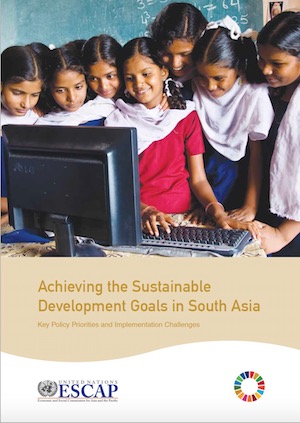
South Asia’s economic dynamism and promising prospects provide confidence in the subregion’s ability to transform itself and build a sustainable future for all. A determined political will is, however, required if the subregion is to expeditiously adopt and implement the 2030 Agenda for Sustainable Development.
The guide is developed with a focus on large multinational enterprises. Small and medium enterprises and other organizations are also encouraged to use it as a source of inspiration and adapt as necessary. It is designed for use at entity level, but may be applied at product, site, divisional or regional level as required.
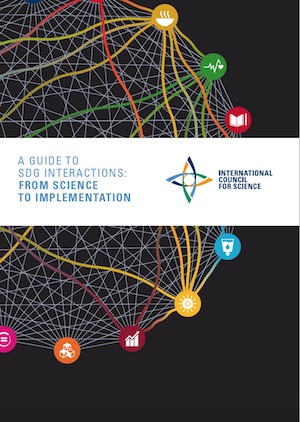
The United Nations’ 2030 Agenda for Sustainable Development wasadopted in September 2015. It is underpinned by 17 Sustainable Development Goals (sdgs) and 169 targets. National policy- makers now face the challenge of implementing this indivisible agenda and achieving progress across the economic, social and environmental dimensions of sustainable development world- wide.
Many tools have been developed to support SDG implementation. Some focus on data needs, while others focus on setting governance priorities. This paper presents a framework to assist the statistical and governance communities of practice to decide on which are suitable under different conditions. The Data/Priority Matrix classifies selected SDG implementation tools into one or more of four quadrants depending on whether data are available and whether priorities are clear and agreed.
The 2030 Agenda for Sustainable development calls for participation of stakeholders in its implementation and follow up and review.
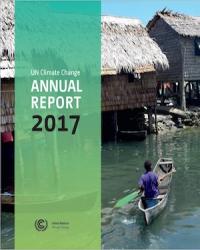
The report covers many areas of the 2017 work of UN Climate Change, which includes the UN Framework Convention on Climate Change, Kyoto Protocol and Paris Agreement, as well as their bodies, institutional arrangements, organs and the secretariat.
How can tourism effectively contribute to the 2030 Agenda for Sustainable Development? This flagship report addresses the changes needed in policies, business practices and consumer behaviour. Showcased along 23 case studies from around the world, this two-volume report examines the role of tourism in each of the five pillars of the International Year of Sustainable Tourism for Development, 2017: 1. Sustainable economic growth; 2. Social inclusiveness, employment and poverty reduction; 3.
Tourism and the Sustainable Development Goals – Journey to 2030 serves as a guide to how the tourism sector can contribute towards the implementation and achievement of the 17 SDGs. It aims to inspire governments, policymakers and tourism companies to incorporate relevant aspects of the SDGs into policy and financing frameworks as well as business operations and investments.
Launched in July 2018, this guidebook aims at supporting organizations and partnerships to maximize the value created by collaboration towards the Sustainable Development Goals (SDGs).
The guidebook deconstructs what “value” means and the types of value that partnerships can create. It also explores the range of partnerships that can be established and how the nature of the partnership influences the type of value created for the partners and for beneficiaries.
South Asia’s economic dynamism and promising prospects provide confidence in the subregion’s ability to transform itself and build a sustainable future for all. A determined political will is, however, required if the subregion is to expeditiously adopt and implement the 2030 Agenda for Sustainable Development.
The guide is developed with a focus on large multinational enterprises. Small and medium enterprises and other organizations are also encouraged to use it as a source of inspiration and adapt as necessary. It is designed for use at entity level, but may be applied at product, site, divisional or regional level as required.
The United Nations’ 2030 Agenda for Sustainable Development wasadopted in September 2015. It is underpinned by 17 Sustainable Development Goals (sdgs) and 169 targets. National policy- makers now face the challenge of implementing this indivisible agenda and achieving progress across the economic, social and environmental dimensions of sustainable development world- wide.
Many tools have been developed to support SDG implementation. Some focus on data needs, while others focus on setting governance priorities. This paper presents a framework to assist the statistical and governance communities of practice to decide on which are suitable under different conditions. The Data/Priority Matrix classifies selected SDG implementation tools into one or more of four quadrants depending on whether data are available and whether priorities are clear and agreed.
The 2030 Agenda for Sustainable development calls for participation of stakeholders in its implementation and follow up and review.
The report covers many areas of the 2017 work of UN Climate Change, which includes the UN Framework Convention on Climate Change, Kyoto Protocol and Paris Agreement, as well as their bodies, institutional arrangements, organs and the secretariat.

How can tourism effectively contribute to the 2030 Agenda for Sustainable Development? This flagship report addresses the changes needed in policies, business practices and consumer behaviour. Showcased along 23 case studies from around the world, this two-volume report examines the role of tourism in each of the five pillars of the International Year of Sustainable Tourism for Development, 2017: 1. Sustainable economic growth; 2. Social inclusiveness, employment and poverty reduction; 3.
Tourism and the Sustainable Development Goals – Journey to 2030 serves as a guide to how the tourism sector can contribute towards the implementation and achievement of the 17 SDGs. It aims to inspire governments, policymakers and tourism companies to incorporate relevant aspects of the SDGs into policy and financing frameworks as well as business operations and investments.
Launched in July 2018, this guidebook aims at supporting organizations and partnerships to maximize the value created by collaboration towards the Sustainable Development Goals (SDGs).
The guidebook deconstructs what “value” means and the types of value that partnerships can create. It also explores the range of partnerships that can be established and how the nature of the partnership influences the type of value created for the partners and for beneficiaries.
South Asia’s economic dynamism and promising prospects provide confidence in the subregion’s ability to transform itself and build a sustainable future for all. A determined political will is, however, required if the subregion is to expeditiously adopt and implement the 2030 Agenda for Sustainable Development.
The guide is developed with a focus on large multinational enterprises. Small and medium enterprises and other organizations are also encouraged to use it as a source of inspiration and adapt as necessary. It is designed for use at entity level, but may be applied at product, site, divisional or regional level as required.
The United Nations’ 2030 Agenda for Sustainable Development wasadopted in September 2015. It is underpinned by 17 Sustainable Development Goals (sdgs) and 169 targets. National policy- makers now face the challenge of implementing this indivisible agenda and achieving progress across the economic, social and environmental dimensions of sustainable development world- wide.
Many tools have been developed to support SDG implementation. Some focus on data needs, while others focus on setting governance priorities. This paper presents a framework to assist the statistical and governance communities of practice to decide on which are suitable under different conditions. The Data/Priority Matrix classifies selected SDG implementation tools into one or more of four quadrants depending on whether data are available and whether priorities are clear and agreed.
The 2030 Agenda for Sustainable development calls for participation of stakeholders in its implementation and follow up and review.
The report covers many areas of the 2017 work of UN Climate Change, which includes the UN Framework Convention on Climate Change, Kyoto Protocol and Paris Agreement, as well as their bodies, institutional arrangements, organs and the secretariat.

Tourism and the Sustainable Development Goals – Journey to 2030 serves as a guide to how the tourism sector can contribute towards the implementation and achievement of the 17 SDGs. It aims to inspire governments, policymakers and tourism companies to incorporate relevant aspects of the SDGs into policy and financing frameworks as well as business operations and investments.
Launched in July 2018, this guidebook aims at supporting organizations and partnerships to maximize the value created by collaboration towards the Sustainable Development Goals (SDGs).
The guidebook deconstructs what “value” means and the types of value that partnerships can create. It also explores the range of partnerships that can be established and how the nature of the partnership influences the type of value created for the partners and for beneficiaries.
South Asia’s economic dynamism and promising prospects provide confidence in the subregion’s ability to transform itself and build a sustainable future for all. A determined political will is, however, required if the subregion is to expeditiously adopt and implement the 2030 Agenda for Sustainable Development.
The guide is developed with a focus on large multinational enterprises. Small and medium enterprises and other organizations are also encouraged to use it as a source of inspiration and adapt as necessary. It is designed for use at entity level, but may be applied at product, site, divisional or regional level as required.
The United Nations’ 2030 Agenda for Sustainable Development wasadopted in September 2015. It is underpinned by 17 Sustainable Development Goals (sdgs) and 169 targets. National policy- makers now face the challenge of implementing this indivisible agenda and achieving progress across the economic, social and environmental dimensions of sustainable development world- wide.
Many tools have been developed to support SDG implementation. Some focus on data needs, while others focus on setting governance priorities. This paper presents a framework to assist the statistical and governance communities of practice to decide on which are suitable under different conditions. The Data/Priority Matrix classifies selected SDG implementation tools into one or more of four quadrants depending on whether data are available and whether priorities are clear and agreed.
The 2030 Agenda for Sustainable development calls for participation of stakeholders in its implementation and follow up and review.
The report covers many areas of the 2017 work of UN Climate Change, which includes the UN Framework Convention on Climate Change, Kyoto Protocol and Paris Agreement, as well as their bodies, institutional arrangements, organs and the secretariat.

Launched in July 2018, this guidebook aims at supporting organizations and partnerships to maximize the value created by collaboration towards the Sustainable Development Goals (SDGs).
The guidebook deconstructs what “value” means and the types of value that partnerships can create. It also explores the range of partnerships that can be established and how the nature of the partnership influences the type of value created for the partners and for beneficiaries.
South Asia’s economic dynamism and promising prospects provide confidence in the subregion’s ability to transform itself and build a sustainable future for all. A determined political will is, however, required if the subregion is to expeditiously adopt and implement the 2030 Agenda for Sustainable Development.
The guide is developed with a focus on large multinational enterprises. Small and medium enterprises and other organizations are also encouraged to use it as a source of inspiration and adapt as necessary. It is designed for use at entity level, but may be applied at product, site, divisional or regional level as required.
The United Nations’ 2030 Agenda for Sustainable Development wasadopted in September 2015. It is underpinned by 17 Sustainable Development Goals (sdgs) and 169 targets. National policy- makers now face the challenge of implementing this indivisible agenda and achieving progress across the economic, social and environmental dimensions of sustainable development world- wide.
Many tools have been developed to support SDG implementation. Some focus on data needs, while others focus on setting governance priorities. This paper presents a framework to assist the statistical and governance communities of practice to decide on which are suitable under different conditions. The Data/Priority Matrix classifies selected SDG implementation tools into one or more of four quadrants depending on whether data are available and whether priorities are clear and agreed.
The 2030 Agenda for Sustainable development calls for participation of stakeholders in its implementation and follow up and review.
The report covers many areas of the 2017 work of UN Climate Change, which includes the UN Framework Convention on Climate Change, Kyoto Protocol and Paris Agreement, as well as their bodies, institutional arrangements, organs and the secretariat.
South Asia’s economic dynamism and promising prospects provide confidence in the subregion’s ability to transform itself and build a sustainable future for all. A determined political will is, however, required if the subregion is to expeditiously adopt and implement the 2030 Agenda for Sustainable Development.
The guide is developed with a focus on large multinational enterprises. Small and medium enterprises and other organizations are also encouraged to use it as a source of inspiration and adapt as necessary. It is designed for use at entity level, but may be applied at product, site, divisional or regional level as required.
The United Nations’ 2030 Agenda for Sustainable Development wasadopted in September 2015. It is underpinned by 17 Sustainable Development Goals (sdgs) and 169 targets. National policy- makers now face the challenge of implementing this indivisible agenda and achieving progress across the economic, social and environmental dimensions of sustainable development world- wide.
Many tools have been developed to support SDG implementation. Some focus on data needs, while others focus on setting governance priorities. This paper presents a framework to assist the statistical and governance communities of practice to decide on which are suitable under different conditions. The Data/Priority Matrix classifies selected SDG implementation tools into one or more of four quadrants depending on whether data are available and whether priorities are clear and agreed.
The 2030 Agenda for Sustainable development calls for participation of stakeholders in its implementation and follow up and review.
The report covers many areas of the 2017 work of UN Climate Change, which includes the UN Framework Convention on Climate Change, Kyoto Protocol and Paris Agreement, as well as their bodies, institutional arrangements, organs and the secretariat.

The guide is developed with a focus on large multinational enterprises. Small and medium enterprises and other organizations are also encouraged to use it as a source of inspiration and adapt as necessary. It is designed for use at entity level, but may be applied at product, site, divisional or regional level as required.
The United Nations’ 2030 Agenda for Sustainable Development wasadopted in September 2015. It is underpinned by 17 Sustainable Development Goals (sdgs) and 169 targets. National policy- makers now face the challenge of implementing this indivisible agenda and achieving progress across the economic, social and environmental dimensions of sustainable development world- wide.
Many tools have been developed to support SDG implementation. Some focus on data needs, while others focus on setting governance priorities. This paper presents a framework to assist the statistical and governance communities of practice to decide on which are suitable under different conditions. The Data/Priority Matrix classifies selected SDG implementation tools into one or more of four quadrants depending on whether data are available and whether priorities are clear and agreed.
The 2030 Agenda for Sustainable development calls for participation of stakeholders in its implementation and follow up and review.
The report covers many areas of the 2017 work of UN Climate Change, which includes the UN Framework Convention on Climate Change, Kyoto Protocol and Paris Agreement, as well as their bodies, institutional arrangements, organs and the secretariat.
The United Nations’ 2030 Agenda for Sustainable Development wasadopted in September 2015. It is underpinned by 17 Sustainable Development Goals (sdgs) and 169 targets. National policy- makers now face the challenge of implementing this indivisible agenda and achieving progress across the economic, social and environmental dimensions of sustainable development world- wide.
Many tools have been developed to support SDG implementation. Some focus on data needs, while others focus on setting governance priorities. This paper presents a framework to assist the statistical and governance communities of practice to decide on which are suitable under different conditions. The Data/Priority Matrix classifies selected SDG implementation tools into one or more of four quadrants depending on whether data are available and whether priorities are clear and agreed.
The 2030 Agenda for Sustainable development calls for participation of stakeholders in its implementation and follow up and review.
The report covers many areas of the 2017 work of UN Climate Change, which includes the UN Framework Convention on Climate Change, Kyoto Protocol and Paris Agreement, as well as their bodies, institutional arrangements, organs and the secretariat.

Many tools have been developed to support SDG implementation. Some focus on data needs, while others focus on setting governance priorities. This paper presents a framework to assist the statistical and governance communities of practice to decide on which are suitable under different conditions. The Data/Priority Matrix classifies selected SDG implementation tools into one or more of four quadrants depending on whether data are available and whether priorities are clear and agreed.
The 2030 Agenda for Sustainable development calls for participation of stakeholders in its implementation and follow up and review.
The report covers many areas of the 2017 work of UN Climate Change, which includes the UN Framework Convention on Climate Change, Kyoto Protocol and Paris Agreement, as well as their bodies, institutional arrangements, organs and the secretariat.

The 2030 Agenda for Sustainable development calls for participation of stakeholders in its implementation and follow up and review.
The report covers many areas of the 2017 work of UN Climate Change, which includes the UN Framework Convention on Climate Change, Kyoto Protocol and Paris Agreement, as well as their bodies, institutional arrangements, organs and the secretariat.

The report covers many areas of the 2017 work of UN Climate Change, which includes the UN Framework Convention on Climate Change, Kyoto Protocol and Paris Agreement, as well as their bodies, institutional arrangements, organs and the secretariat.