
This report presents the results of a survey of 15 developing countries in Asia and the Pacific regarding Sustainable Development Goals (SDGs) 12, 14, and 15.
E-Library
ADB, in collaboration with UN Environment, prepared this tool compendium to help developing countries address challenges faced upon the successful implementation of the environmental dimensions of the Sustainable Development Goals.
Global growth is expected to remain at 3.0 per cent in 2019 and 2020, however, the steady pace of expansion in the global economy masks an increase in downside risks that could potentially exacerbate development challenges in many parts of the world, according to the World Economic Situation and Prospects 2019.
The SDG Accelerator and Bottleneck Assessment (ABA) tool aims to support countries to identify catalytic policy and/or programme areas or ‘accelerators’ that can trigger positive multiplier effects across the SDGs, and solutions to bottlenecks that impede the optimal performance of interventions that enable the identified accelerators.
This publication was produced by the Housing and Land Use Regulatory Board with technical assistance from UN-HABITAT in partnership with the Philippine Institute of Environmental Planners, and funding support from the Government of Spain and Development Account Project.
To access the publication, follow this link.
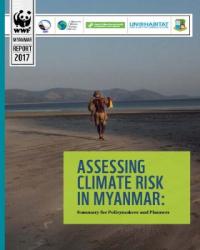
This brief aims to help decision-makers across sectors in Myanmar incorporate climate change risks into planning and investment decisions by summarising key messages from a detailed technical analysis of climate change in Myanmar that is released alongside this report.
To access the publication, follow this link.
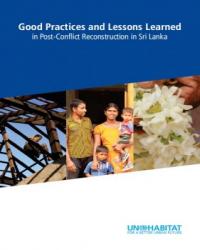
When three decades of conflict ended in May 2009 in Sri Lanka, approximately 450,000 people had been displaced, with many having to rebuild their lives after having their houses destroyed, having lost family members and with no proper means of livelihood.
The project “Participatory Land Use Planning and Implementation in Designated Districts: Surkhet,Nawalparasi and Morang” is first exercise in the area of participatory land use planning in Nepal. It was initiated in March 26, 2014 and was completed in June 30, 2015 with seven land use plans ready for implementation that were prepared by adopting a blend of technically top down and practically bottom up planning approach.
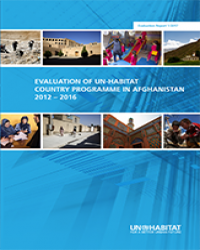
The Evaluation Report highlights key achievements on issues such as relevance, effectiveness, efficiency and sustainability, among others, and in doing so, guide future programming within the country towards better programme implementation alongside partners in the country. Relationship between HQ, Regional and Country offices is also addressed, detailing evaluation of five key projects from 2012 to 2016.
ADB, in collaboration with UN Environment, prepared this tool compendium to help developing countries address challenges faced upon the successful implementation of the environmental dimensions of the Sustainable Development Goals.
Global growth is expected to remain at 3.0 per cent in 2019 and 2020, however, the steady pace of expansion in the global economy masks an increase in downside risks that could potentially exacerbate development challenges in many parts of the world, according to the World Economic Situation and Prospects 2019.
The SDG Accelerator and Bottleneck Assessment (ABA) tool aims to support countries to identify catalytic policy and/or programme areas or ‘accelerators’ that can trigger positive multiplier effects across the SDGs, and solutions to bottlenecks that impede the optimal performance of interventions that enable the identified accelerators.
This publication was produced by the Housing and Land Use Regulatory Board with technical assistance from UN-HABITAT in partnership with the Philippine Institute of Environmental Planners, and funding support from the Government of Spain and Development Account Project.
To access the publication, follow this link.
This brief aims to help decision-makers across sectors in Myanmar incorporate climate change risks into planning and investment decisions by summarising key messages from a detailed technical analysis of climate change in Myanmar that is released alongside this report.
To access the publication, follow this link.
When three decades of conflict ended in May 2009 in Sri Lanka, approximately 450,000 people had been displaced, with many having to rebuild their lives after having their houses destroyed, having lost family members and with no proper means of livelihood.
The project “Participatory Land Use Planning and Implementation in Designated Districts: Surkhet,Nawalparasi and Morang” is first exercise in the area of participatory land use planning in Nepal. It was initiated in March 26, 2014 and was completed in June 30, 2015 with seven land use plans ready for implementation that were prepared by adopting a blend of technically top down and practically bottom up planning approach.
The Evaluation Report highlights key achievements on issues such as relevance, effectiveness, efficiency and sustainability, among others, and in doing so, guide future programming within the country towards better programme implementation alongside partners in the country. Relationship between HQ, Regional and Country offices is also addressed, detailing evaluation of five key projects from 2012 to 2016.

ADB, in collaboration with UN Environment, prepared this tool compendium to help developing countries address challenges faced upon the successful implementation of the environmental dimensions of the Sustainable Development Goals.
Global growth is expected to remain at 3.0 per cent in 2019 and 2020, however, the steady pace of expansion in the global economy masks an increase in downside risks that could potentially exacerbate development challenges in many parts of the world, according to the World Economic Situation and Prospects 2019.
The SDG Accelerator and Bottleneck Assessment (ABA) tool aims to support countries to identify catalytic policy and/or programme areas or ‘accelerators’ that can trigger positive multiplier effects across the SDGs, and solutions to bottlenecks that impede the optimal performance of interventions that enable the identified accelerators.
This publication was produced by the Housing and Land Use Regulatory Board with technical assistance from UN-HABITAT in partnership with the Philippine Institute of Environmental Planners, and funding support from the Government of Spain and Development Account Project.
To access the publication, follow this link.
This brief aims to help decision-makers across sectors in Myanmar incorporate climate change risks into planning and investment decisions by summarising key messages from a detailed technical analysis of climate change in Myanmar that is released alongside this report.
To access the publication, follow this link.
When three decades of conflict ended in May 2009 in Sri Lanka, approximately 450,000 people had been displaced, with many having to rebuild their lives after having their houses destroyed, having lost family members and with no proper means of livelihood.
The project “Participatory Land Use Planning and Implementation in Designated Districts: Surkhet,Nawalparasi and Morang” is first exercise in the area of participatory land use planning in Nepal. It was initiated in March 26, 2014 and was completed in June 30, 2015 with seven land use plans ready for implementation that were prepared by adopting a blend of technically top down and practically bottom up planning approach.
The Evaluation Report highlights key achievements on issues such as relevance, effectiveness, efficiency and sustainability, among others, and in doing so, guide future programming within the country towards better programme implementation alongside partners in the country. Relationship between HQ, Regional and Country offices is also addressed, detailing evaluation of five key projects from 2012 to 2016.

Global growth is expected to remain at 3.0 per cent in 2019 and 2020, however, the steady pace of expansion in the global economy masks an increase in downside risks that could potentially exacerbate development challenges in many parts of the world, according to the World Economic Situation and Prospects 2019.
The SDG Accelerator and Bottleneck Assessment (ABA) tool aims to support countries to identify catalytic policy and/or programme areas or ‘accelerators’ that can trigger positive multiplier effects across the SDGs, and solutions to bottlenecks that impede the optimal performance of interventions that enable the identified accelerators.
This publication was produced by the Housing and Land Use Regulatory Board with technical assistance from UN-HABITAT in partnership with the Philippine Institute of Environmental Planners, and funding support from the Government of Spain and Development Account Project.
To access the publication, follow this link.
This brief aims to help decision-makers across sectors in Myanmar incorporate climate change risks into planning and investment decisions by summarising key messages from a detailed technical analysis of climate change in Myanmar that is released alongside this report.
To access the publication, follow this link.
When three decades of conflict ended in May 2009 in Sri Lanka, approximately 450,000 people had been displaced, with many having to rebuild their lives after having their houses destroyed, having lost family members and with no proper means of livelihood.
The project “Participatory Land Use Planning and Implementation in Designated Districts: Surkhet,Nawalparasi and Morang” is first exercise in the area of participatory land use planning in Nepal. It was initiated in March 26, 2014 and was completed in June 30, 2015 with seven land use plans ready for implementation that were prepared by adopting a blend of technically top down and practically bottom up planning approach.
The Evaluation Report highlights key achievements on issues such as relevance, effectiveness, efficiency and sustainability, among others, and in doing so, guide future programming within the country towards better programme implementation alongside partners in the country. Relationship between HQ, Regional and Country offices is also addressed, detailing evaluation of five key projects from 2012 to 2016.

The SDG Accelerator and Bottleneck Assessment (ABA) tool aims to support countries to identify catalytic policy and/or programme areas or ‘accelerators’ that can trigger positive multiplier effects across the SDGs, and solutions to bottlenecks that impede the optimal performance of interventions that enable the identified accelerators.
This publication was produced by the Housing and Land Use Regulatory Board with technical assistance from UN-HABITAT in partnership with the Philippine Institute of Environmental Planners, and funding support from the Government of Spain and Development Account Project.
To access the publication, follow this link.
This brief aims to help decision-makers across sectors in Myanmar incorporate climate change risks into planning and investment decisions by summarising key messages from a detailed technical analysis of climate change in Myanmar that is released alongside this report.
To access the publication, follow this link.
When three decades of conflict ended in May 2009 in Sri Lanka, approximately 450,000 people had been displaced, with many having to rebuild their lives after having their houses destroyed, having lost family members and with no proper means of livelihood.
The project “Participatory Land Use Planning and Implementation in Designated Districts: Surkhet,Nawalparasi and Morang” is first exercise in the area of participatory land use planning in Nepal. It was initiated in March 26, 2014 and was completed in June 30, 2015 with seven land use plans ready for implementation that were prepared by adopting a blend of technically top down and practically bottom up planning approach.
The Evaluation Report highlights key achievements on issues such as relevance, effectiveness, efficiency and sustainability, among others, and in doing so, guide future programming within the country towards better programme implementation alongside partners in the country. Relationship between HQ, Regional and Country offices is also addressed, detailing evaluation of five key projects from 2012 to 2016.

This publication was produced by the Housing and Land Use Regulatory Board with technical assistance from UN-HABITAT in partnership with the Philippine Institute of Environmental Planners, and funding support from the Government of Spain and Development Account Project.
To access the publication, follow this link.
This brief aims to help decision-makers across sectors in Myanmar incorporate climate change risks into planning and investment decisions by summarising key messages from a detailed technical analysis of climate change in Myanmar that is released alongside this report.
To access the publication, follow this link.
When three decades of conflict ended in May 2009 in Sri Lanka, approximately 450,000 people had been displaced, with many having to rebuild their lives after having their houses destroyed, having lost family members and with no proper means of livelihood.
The project “Participatory Land Use Planning and Implementation in Designated Districts: Surkhet,Nawalparasi and Morang” is first exercise in the area of participatory land use planning in Nepal. It was initiated in March 26, 2014 and was completed in June 30, 2015 with seven land use plans ready for implementation that were prepared by adopting a blend of technically top down and practically bottom up planning approach.
The Evaluation Report highlights key achievements on issues such as relevance, effectiveness, efficiency and sustainability, among others, and in doing so, guide future programming within the country towards better programme implementation alongside partners in the country. Relationship between HQ, Regional and Country offices is also addressed, detailing evaluation of five key projects from 2012 to 2016.

This brief aims to help decision-makers across sectors in Myanmar incorporate climate change risks into planning and investment decisions by summarising key messages from a detailed technical analysis of climate change in Myanmar that is released alongside this report.
To access the publication, follow this link.
When three decades of conflict ended in May 2009 in Sri Lanka, approximately 450,000 people had been displaced, with many having to rebuild their lives after having their houses destroyed, having lost family members and with no proper means of livelihood.
The project “Participatory Land Use Planning and Implementation in Designated Districts: Surkhet,Nawalparasi and Morang” is first exercise in the area of participatory land use planning in Nepal. It was initiated in March 26, 2014 and was completed in June 30, 2015 with seven land use plans ready for implementation that were prepared by adopting a blend of technically top down and practically bottom up planning approach.
The Evaluation Report highlights key achievements on issues such as relevance, effectiveness, efficiency and sustainability, among others, and in doing so, guide future programming within the country towards better programme implementation alongside partners in the country. Relationship between HQ, Regional and Country offices is also addressed, detailing evaluation of five key projects from 2012 to 2016.

This brief aims to help decision-makers across sectors in Myanmar incorporate climate change risks into planning and investment decisions by summarising key messages from a detailed technical analysis of climate change in Myanmar that is released alongside this report.
To access the publication, follow this link.
When three decades of conflict ended in May 2009 in Sri Lanka, approximately 450,000 people had been displaced, with many having to rebuild their lives after having their houses destroyed, having lost family members and with no proper means of livelihood.
The project “Participatory Land Use Planning and Implementation in Designated Districts: Surkhet,Nawalparasi and Morang” is first exercise in the area of participatory land use planning in Nepal. It was initiated in March 26, 2014 and was completed in June 30, 2015 with seven land use plans ready for implementation that were prepared by adopting a blend of technically top down and practically bottom up planning approach.
The Evaluation Report highlights key achievements on issues such as relevance, effectiveness, efficiency and sustainability, among others, and in doing so, guide future programming within the country towards better programme implementation alongside partners in the country. Relationship between HQ, Regional and Country offices is also addressed, detailing evaluation of five key projects from 2012 to 2016.

When three decades of conflict ended in May 2009 in Sri Lanka, approximately 450,000 people had been displaced, with many having to rebuild their lives after having their houses destroyed, having lost family members and with no proper means of livelihood.
The project “Participatory Land Use Planning and Implementation in Designated Districts: Surkhet,Nawalparasi and Morang” is first exercise in the area of participatory land use planning in Nepal. It was initiated in March 26, 2014 and was completed in June 30, 2015 with seven land use plans ready for implementation that were prepared by adopting a blend of technically top down and practically bottom up planning approach.
The Evaluation Report highlights key achievements on issues such as relevance, effectiveness, efficiency and sustainability, among others, and in doing so, guide future programming within the country towards better programme implementation alongside partners in the country. Relationship between HQ, Regional and Country offices is also addressed, detailing evaluation of five key projects from 2012 to 2016.

The project “Participatory Land Use Planning and Implementation in Designated Districts: Surkhet,Nawalparasi and Morang” is first exercise in the area of participatory land use planning in Nepal. It was initiated in March 26, 2014 and was completed in June 30, 2015 with seven land use plans ready for implementation that were prepared by adopting a blend of technically top down and practically bottom up planning approach.
The Evaluation Report highlights key achievements on issues such as relevance, effectiveness, efficiency and sustainability, among others, and in doing so, guide future programming within the country towards better programme implementation alongside partners in the country. Relationship between HQ, Regional and Country offices is also addressed, detailing evaluation of five key projects from 2012 to 2016.
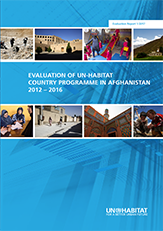
The Evaluation Report highlights key achievements on issues such as relevance, effectiveness, efficiency and sustainability, among others, and in doing so, guide future programming within the country towards better programme implementation alongside partners in the country. Relationship between HQ, Regional and Country offices is also addressed, detailing evaluation of five key projects from 2012 to 2016.