
The Asia Pacific region is exceptionally rich in biodiversity. The tropical forests of South East Asia, the reefs of the ‘coral triangle’, the temperate forests and the large river basins found in the region are among the most unique on Earth. However, biodiversity in the Asia Pacific region is in fast decline.
E-Library
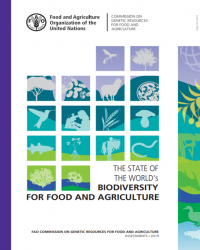
Biodiversity is the variety of life at genetic, species and ecosystem levels. Biodiversity for food and agriculture (BFA) is, in turn, the subset of biodiversity that contributes in one way or another to agriculture and food production.
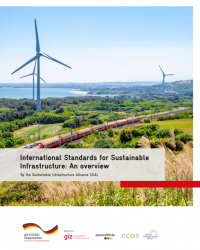
Infrastructure commonly refers to physical facilities that provide the building blocks of a functioning society, including but not limited to transportation networks and structures, buildings and cities, water and waste-related networks and facilities, energy networks and plants, and communications networks and facilities. Infrastructure is at the nexus of economic growth, productive investment, job creation, poverty reduction, gender participation, climate change, and biodiversity.
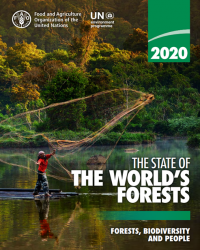
As the United Nations Decade on Biodiversity 2011–2020 comes to a close and countries prepare to adopt a post-2020 global biodiversity framework, this edition of The State of the World’s Forests (SOFO) examines the contributions of forests, and of the people who use and manage them, to the conservation and sustainable use of biodiversity.
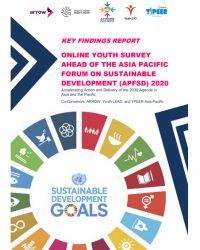
The purpose of this survey was to collect the voices of young people across Asia and the Pacific region and understand their perspective on ways to ensure meaningful and inclusive young people engagement in the APFSD processes including the SDGs’ follow up and review.
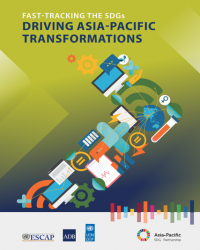
Fast-tracking the SDGs: Driving Asia-Pacific transformations is the theme report of the Asia-Pacific SDG partnership for 2020. Reflecting on the theme of the 7th Asia-Pacific Forum on Sustainable Development, it informs regional and global dialogue on sustainable development as well as national and regional implementation of the 2030 Agenda for Sustainable Development.
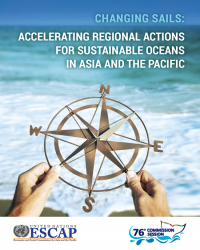
The ocean and its resources are the lifelines of Asia and the Pacific. As a resource for the economy, livelihoods and identity for coastal communities, the condition of the ocean is inextricably linked to the pathways of sustainable development in Asia and the Pacific.
The International Organization of Supreme Audit Institutions is delighted to present to you a pilot version of IDI’s SDGs Audit Model (ISAM).
Developed through a collaborative process, ISAM aims to provide practical ‘how-to’ guidance to Supreme Audit Institutions (SAIs) for conducting audits of SDGs implementation.
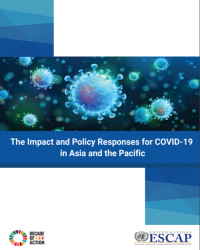
At the start of 2020, COVID-19 has spread across the world at an unyielding pace. What began as global jitters has evolved into unprecedented disturbances in the economy, health systems and daily life. In Asia and the Pacific, the impacts of the pandemic have reverberated soundly among its population of more than 4 billion and in its network of vital supply chains.
UN Environment has developed a methodology for the measurement of SDG Target Indicator 12.7.1, which promotes "public procurement practices that are sustainable, in accordance with national policies and priorities”. The indicator should assess whether countries (i) have developed SPP policies and actions plans and (ii) are implementing them. The 12.7.1 methodology is aimed at national governments, guiding policy makers and practitioners.
Biodiversity is the variety of life at genetic, species and ecosystem levels. Biodiversity for food and agriculture (BFA) is, in turn, the subset of biodiversity that contributes in one way or another to agriculture and food production.
Infrastructure commonly refers to physical facilities that provide the building blocks of a functioning society, including but not limited to transportation networks and structures, buildings and cities, water and waste-related networks and facilities, energy networks and plants, and communications networks and facilities. Infrastructure is at the nexus of economic growth, productive investment, job creation, poverty reduction, gender participation, climate change, and biodiversity.
As the United Nations Decade on Biodiversity 2011–2020 comes to a close and countries prepare to adopt a post-2020 global biodiversity framework, this edition of The State of the World’s Forests (SOFO) examines the contributions of forests, and of the people who use and manage them, to the conservation and sustainable use of biodiversity.
The purpose of this survey was to collect the voices of young people across Asia and the Pacific region and understand their perspective on ways to ensure meaningful and inclusive young people engagement in the APFSD processes including the SDGs’ follow up and review.
Fast-tracking the SDGs: Driving Asia-Pacific transformations is the theme report of the Asia-Pacific SDG partnership for 2020. Reflecting on the theme of the 7th Asia-Pacific Forum on Sustainable Development, it informs regional and global dialogue on sustainable development as well as national and regional implementation of the 2030 Agenda for Sustainable Development.
The ocean and its resources are the lifelines of Asia and the Pacific. As a resource for the economy, livelihoods and identity for coastal communities, the condition of the ocean is inextricably linked to the pathways of sustainable development in Asia and the Pacific.
The International Organization of Supreme Audit Institutions is delighted to present to you a pilot version of IDI’s SDGs Audit Model (ISAM).
Developed through a collaborative process, ISAM aims to provide practical ‘how-to’ guidance to Supreme Audit Institutions (SAIs) for conducting audits of SDGs implementation.
At the start of 2020, COVID-19 has spread across the world at an unyielding pace. What began as global jitters has evolved into unprecedented disturbances in the economy, health systems and daily life. In Asia and the Pacific, the impacts of the pandemic have reverberated soundly among its population of more than 4 billion and in its network of vital supply chains.
UN Environment has developed a methodology for the measurement of SDG Target Indicator 12.7.1, which promotes "public procurement practices that are sustainable, in accordance with national policies and priorities”. The indicator should assess whether countries (i) have developed SPP policies and actions plans and (ii) are implementing them. The 12.7.1 methodology is aimed at national governments, guiding policy makers and practitioners.

Biodiversity is the variety of life at genetic, species and ecosystem levels. Biodiversity for food and agriculture (BFA) is, in turn, the subset of biodiversity that contributes in one way or another to agriculture and food production.
Infrastructure commonly refers to physical facilities that provide the building blocks of a functioning society, including but not limited to transportation networks and structures, buildings and cities, water and waste-related networks and facilities, energy networks and plants, and communications networks and facilities. Infrastructure is at the nexus of economic growth, productive investment, job creation, poverty reduction, gender participation, climate change, and biodiversity.
As the United Nations Decade on Biodiversity 2011–2020 comes to a close and countries prepare to adopt a post-2020 global biodiversity framework, this edition of The State of the World’s Forests (SOFO) examines the contributions of forests, and of the people who use and manage them, to the conservation and sustainable use of biodiversity.
The purpose of this survey was to collect the voices of young people across Asia and the Pacific region and understand their perspective on ways to ensure meaningful and inclusive young people engagement in the APFSD processes including the SDGs’ follow up and review.
Fast-tracking the SDGs: Driving Asia-Pacific transformations is the theme report of the Asia-Pacific SDG partnership for 2020. Reflecting on the theme of the 7th Asia-Pacific Forum on Sustainable Development, it informs regional and global dialogue on sustainable development as well as national and regional implementation of the 2030 Agenda for Sustainable Development.
The ocean and its resources are the lifelines of Asia and the Pacific. As a resource for the economy, livelihoods and identity for coastal communities, the condition of the ocean is inextricably linked to the pathways of sustainable development in Asia and the Pacific.
The International Organization of Supreme Audit Institutions is delighted to present to you a pilot version of IDI’s SDGs Audit Model (ISAM).
Developed through a collaborative process, ISAM aims to provide practical ‘how-to’ guidance to Supreme Audit Institutions (SAIs) for conducting audits of SDGs implementation.
At the start of 2020, COVID-19 has spread across the world at an unyielding pace. What began as global jitters has evolved into unprecedented disturbances in the economy, health systems and daily life. In Asia and the Pacific, the impacts of the pandemic have reverberated soundly among its population of more than 4 billion and in its network of vital supply chains.
UN Environment has developed a methodology for the measurement of SDG Target Indicator 12.7.1, which promotes "public procurement practices that are sustainable, in accordance with national policies and priorities”. The indicator should assess whether countries (i) have developed SPP policies and actions plans and (ii) are implementing them. The 12.7.1 methodology is aimed at national governments, guiding policy makers and practitioners.

Infrastructure commonly refers to physical facilities that provide the building blocks of a functioning society, including but not limited to transportation networks and structures, buildings and cities, water and waste-related networks and facilities, energy networks and plants, and communications networks and facilities. Infrastructure is at the nexus of economic growth, productive investment, job creation, poverty reduction, gender participation, climate change, and biodiversity.
As the United Nations Decade on Biodiversity 2011–2020 comes to a close and countries prepare to adopt a post-2020 global biodiversity framework, this edition of The State of the World’s Forests (SOFO) examines the contributions of forests, and of the people who use and manage them, to the conservation and sustainable use of biodiversity.
The purpose of this survey was to collect the voices of young people across Asia and the Pacific region and understand their perspective on ways to ensure meaningful and inclusive young people engagement in the APFSD processes including the SDGs’ follow up and review.
Fast-tracking the SDGs: Driving Asia-Pacific transformations is the theme report of the Asia-Pacific SDG partnership for 2020. Reflecting on the theme of the 7th Asia-Pacific Forum on Sustainable Development, it informs regional and global dialogue on sustainable development as well as national and regional implementation of the 2030 Agenda for Sustainable Development.
The ocean and its resources are the lifelines of Asia and the Pacific. As a resource for the economy, livelihoods and identity for coastal communities, the condition of the ocean is inextricably linked to the pathways of sustainable development in Asia and the Pacific.
The International Organization of Supreme Audit Institutions is delighted to present to you a pilot version of IDI’s SDGs Audit Model (ISAM).
Developed through a collaborative process, ISAM aims to provide practical ‘how-to’ guidance to Supreme Audit Institutions (SAIs) for conducting audits of SDGs implementation.
At the start of 2020, COVID-19 has spread across the world at an unyielding pace. What began as global jitters has evolved into unprecedented disturbances in the economy, health systems and daily life. In Asia and the Pacific, the impacts of the pandemic have reverberated soundly among its population of more than 4 billion and in its network of vital supply chains.
UN Environment has developed a methodology for the measurement of SDG Target Indicator 12.7.1, which promotes "public procurement practices that are sustainable, in accordance with national policies and priorities”. The indicator should assess whether countries (i) have developed SPP policies and actions plans and (ii) are implementing them. The 12.7.1 methodology is aimed at national governments, guiding policy makers and practitioners.
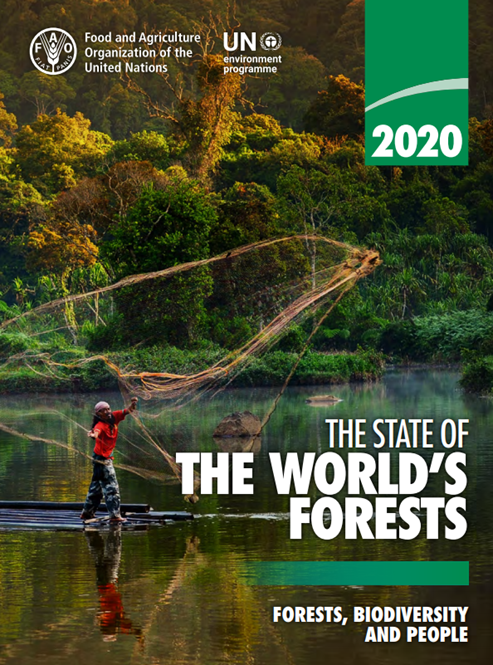
As the United Nations Decade on Biodiversity 2011–2020 comes to a close and countries prepare to adopt a post-2020 global biodiversity framework, this edition of The State of the World’s Forests (SOFO) examines the contributions of forests, and of the people who use and manage them, to the conservation and sustainable use of biodiversity.
The purpose of this survey was to collect the voices of young people across Asia and the Pacific region and understand their perspective on ways to ensure meaningful and inclusive young people engagement in the APFSD processes including the SDGs’ follow up and review.
Fast-tracking the SDGs: Driving Asia-Pacific transformations is the theme report of the Asia-Pacific SDG partnership for 2020. Reflecting on the theme of the 7th Asia-Pacific Forum on Sustainable Development, it informs regional and global dialogue on sustainable development as well as national and regional implementation of the 2030 Agenda for Sustainable Development.
The ocean and its resources are the lifelines of Asia and the Pacific. As a resource for the economy, livelihoods and identity for coastal communities, the condition of the ocean is inextricably linked to the pathways of sustainable development in Asia and the Pacific.
The International Organization of Supreme Audit Institutions is delighted to present to you a pilot version of IDI’s SDGs Audit Model (ISAM).
Developed through a collaborative process, ISAM aims to provide practical ‘how-to’ guidance to Supreme Audit Institutions (SAIs) for conducting audits of SDGs implementation.
At the start of 2020, COVID-19 has spread across the world at an unyielding pace. What began as global jitters has evolved into unprecedented disturbances in the economy, health systems and daily life. In Asia and the Pacific, the impacts of the pandemic have reverberated soundly among its population of more than 4 billion and in its network of vital supply chains.
UN Environment has developed a methodology for the measurement of SDG Target Indicator 12.7.1, which promotes "public procurement practices that are sustainable, in accordance with national policies and priorities”. The indicator should assess whether countries (i) have developed SPP policies and actions plans and (ii) are implementing them. The 12.7.1 methodology is aimed at national governments, guiding policy makers and practitioners.

The purpose of this survey was to collect the voices of young people across Asia and the Pacific region and understand their perspective on ways to ensure meaningful and inclusive young people engagement in the APFSD processes including the SDGs’ follow up and review.
Fast-tracking the SDGs: Driving Asia-Pacific transformations is the theme report of the Asia-Pacific SDG partnership for 2020. Reflecting on the theme of the 7th Asia-Pacific Forum on Sustainable Development, it informs regional and global dialogue on sustainable development as well as national and regional implementation of the 2030 Agenda for Sustainable Development.
The ocean and its resources are the lifelines of Asia and the Pacific. As a resource for the economy, livelihoods and identity for coastal communities, the condition of the ocean is inextricably linked to the pathways of sustainable development in Asia and the Pacific.
The International Organization of Supreme Audit Institutions is delighted to present to you a pilot version of IDI’s SDGs Audit Model (ISAM).
Developed through a collaborative process, ISAM aims to provide practical ‘how-to’ guidance to Supreme Audit Institutions (SAIs) for conducting audits of SDGs implementation.
At the start of 2020, COVID-19 has spread across the world at an unyielding pace. What began as global jitters has evolved into unprecedented disturbances in the economy, health systems and daily life. In Asia and the Pacific, the impacts of the pandemic have reverberated soundly among its population of more than 4 billion and in its network of vital supply chains.
UN Environment has developed a methodology for the measurement of SDG Target Indicator 12.7.1, which promotes "public procurement practices that are sustainable, in accordance with national policies and priorities”. The indicator should assess whether countries (i) have developed SPP policies and actions plans and (ii) are implementing them. The 12.7.1 methodology is aimed at national governments, guiding policy makers and practitioners.

Fast-tracking the SDGs: Driving Asia-Pacific transformations is the theme report of the Asia-Pacific SDG partnership for 2020. Reflecting on the theme of the 7th Asia-Pacific Forum on Sustainable Development, it informs regional and global dialogue on sustainable development as well as national and regional implementation of the 2030 Agenda for Sustainable Development.
The ocean and its resources are the lifelines of Asia and the Pacific. As a resource for the economy, livelihoods and identity for coastal communities, the condition of the ocean is inextricably linked to the pathways of sustainable development in Asia and the Pacific.
The International Organization of Supreme Audit Institutions is delighted to present to you a pilot version of IDI’s SDGs Audit Model (ISAM).
Developed through a collaborative process, ISAM aims to provide practical ‘how-to’ guidance to Supreme Audit Institutions (SAIs) for conducting audits of SDGs implementation.
At the start of 2020, COVID-19 has spread across the world at an unyielding pace. What began as global jitters has evolved into unprecedented disturbances in the economy, health systems and daily life. In Asia and the Pacific, the impacts of the pandemic have reverberated soundly among its population of more than 4 billion and in its network of vital supply chains.
UN Environment has developed a methodology for the measurement of SDG Target Indicator 12.7.1, which promotes "public procurement practices that are sustainable, in accordance with national policies and priorities”. The indicator should assess whether countries (i) have developed SPP policies and actions plans and (ii) are implementing them. The 12.7.1 methodology is aimed at national governments, guiding policy makers and practitioners.
The ocean and its resources are the lifelines of Asia and the Pacific. As a resource for the economy, livelihoods and identity for coastal communities, the condition of the ocean is inextricably linked to the pathways of sustainable development in Asia and the Pacific.
The International Organization of Supreme Audit Institutions is delighted to present to you a pilot version of IDI’s SDGs Audit Model (ISAM).
Developed through a collaborative process, ISAM aims to provide practical ‘how-to’ guidance to Supreme Audit Institutions (SAIs) for conducting audits of SDGs implementation.
At the start of 2020, COVID-19 has spread across the world at an unyielding pace. What began as global jitters has evolved into unprecedented disturbances in the economy, health systems and daily life. In Asia and the Pacific, the impacts of the pandemic have reverberated soundly among its population of more than 4 billion and in its network of vital supply chains.
UN Environment has developed a methodology for the measurement of SDG Target Indicator 12.7.1, which promotes "public procurement practices that are sustainable, in accordance with national policies and priorities”. The indicator should assess whether countries (i) have developed SPP policies and actions plans and (ii) are implementing them. The 12.7.1 methodology is aimed at national governments, guiding policy makers and practitioners.

The International Organization of Supreme Audit Institutions is delighted to present to you a pilot version of IDI’s SDGs Audit Model (ISAM).
Developed through a collaborative process, ISAM aims to provide practical ‘how-to’ guidance to Supreme Audit Institutions (SAIs) for conducting audits of SDGs implementation.
At the start of 2020, COVID-19 has spread across the world at an unyielding pace. What began as global jitters has evolved into unprecedented disturbances in the economy, health systems and daily life. In Asia and the Pacific, the impacts of the pandemic have reverberated soundly among its population of more than 4 billion and in its network of vital supply chains.
UN Environment has developed a methodology for the measurement of SDG Target Indicator 12.7.1, which promotes "public procurement practices that are sustainable, in accordance with national policies and priorities”. The indicator should assess whether countries (i) have developed SPP policies and actions plans and (ii) are implementing them. The 12.7.1 methodology is aimed at national governments, guiding policy makers and practitioners.

At the start of 2020, COVID-19 has spread across the world at an unyielding pace. What began as global jitters has evolved into unprecedented disturbances in the economy, health systems and daily life. In Asia and the Pacific, the impacts of the pandemic have reverberated soundly among its population of more than 4 billion and in its network of vital supply chains.
UN Environment has developed a methodology for the measurement of SDG Target Indicator 12.7.1, which promotes "public procurement practices that are sustainable, in accordance with national policies and priorities”. The indicator should assess whether countries (i) have developed SPP policies and actions plans and (ii) are implementing them. The 12.7.1 methodology is aimed at national governments, guiding policy makers and practitioners.
UN Environment has developed a methodology for the measurement of SDG Target Indicator 12.7.1, which promotes "public procurement practices that are sustainable, in accordance with national policies and priorities”. The indicator should assess whether countries (i) have developed SPP policies and actions plans and (ii) are implementing them. The 12.7.1 methodology is aimed at national governments, guiding policy makers and practitioners.